
Coffee has so many benefits to our health (if you don’t overdrink it). I’m a coffee lover. I drink coffee every day. I am choosing organic beans, filtered water, and maybe even a splash of my favorite coconut milk. But here’s a question many of us haven’t asked:
Is my coffee maker toxic?
Yep. That little machine that’s helping you survive parenthood might be leaching harmful chemicals into your brew. Yikes.
Let’s break it down.
What Is a “Toxic” Coffee Maker?
When we talk about toxic coffee makers, we’re referring to machines or brewing tools that contain materials that can leach harmful substances into your coffee, especially when exposed to heat and moisture. Over time, this can expose you and your family to microplastics, BPA, phthalates, PTFE/Teflon, aluminum, or other endocrine-disrupting chemicals.
Here’s what to look out for:
1. Plastic Parts (Especially in Contact with Hot Water)
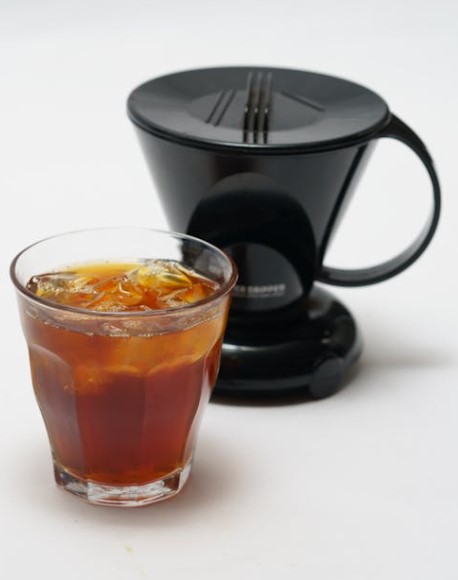
Many drip coffee makers and single-serve pod machines (like Keurig) have plastic reservoirs, tubing, internal valves, and filter baskets. These components are repeatedly heated and can leach chemicals, even if labeled “BPA-free”. Not all plastics are created equal, and “BPA-free” doesn’t mean “non-toxic.”
2. Coffee Pods (Like K-Cups)
This deserves its own category. Most single-serve coffee pods are made of plastic, sealed with aluminum, and lined with adhesives or chemical resins. When hot water runs through that pod at pressure, it’s coming into direct contact with those materials, which can result in microplastic ingestion and chemical leaching.
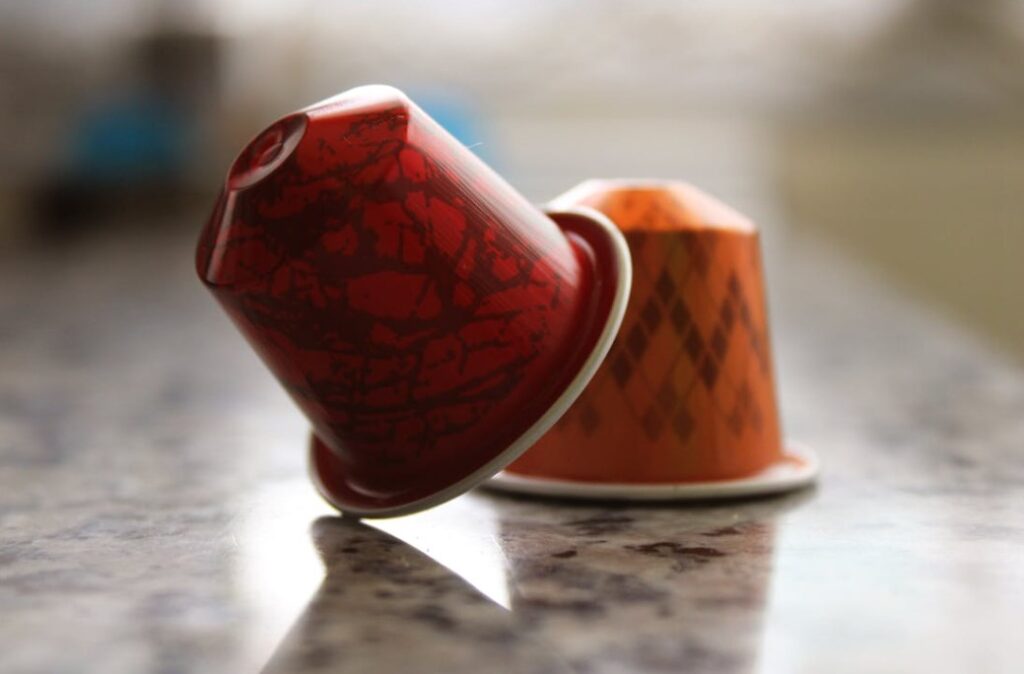
Even recyclable or compostable pods can still involve inner plastic linings that are questionable under high heat.
Plus, let’s not ignore the environmental cost: billions of pods end up in landfills each year.
If you’ve been brewing your daily cup from plastic pods, it might be time to reconsider what’s infusing into your drink—beyond the beans.
3. Teflon or PTFE-Coated Heating Plates
Some coffee makers use non-stick coatings (like PTFE, the chemical used in Teflon) on internal heating elements or warming plates. These can break down over time and under high heat, releasing harmful fumes or particles into your kitchen air or coffee.
4. Aluminum Without Coating
Uncoated aluminum parts—such as those in cheaper moka pots or old espresso makers—can corrode or react with acidic coffee. While the science is mixed on aluminum’s health risks, there is concern that chronic exposure could be linked to neurological conditions. Stainless steel is a much safer bet.
Why Switch to a Non-Toxic Coffee Maker?
After I just explained what makes a coffee maker toxic, it should be no brainer why switching to a non-toxic coffee maker. Especially since it’s something you drink every day, it should be healthy.
Not only is this healthy, but also durable. Many non-toxic models are made from stainless steel or glass, which hold up better over time.
Top Non-Toxic Coffee Makers to Try
Ready to upgrade? Here are some of the best non-toxic coffee makers you can bring into your kitchen confidently.
Unfortunately, I haven’t found a dripping coffee machine that’s 100% plastic contact-free. The truly non-toxic ones are pour-over, French press, and stovetop espresso machine.
1. Chemex Classic Series
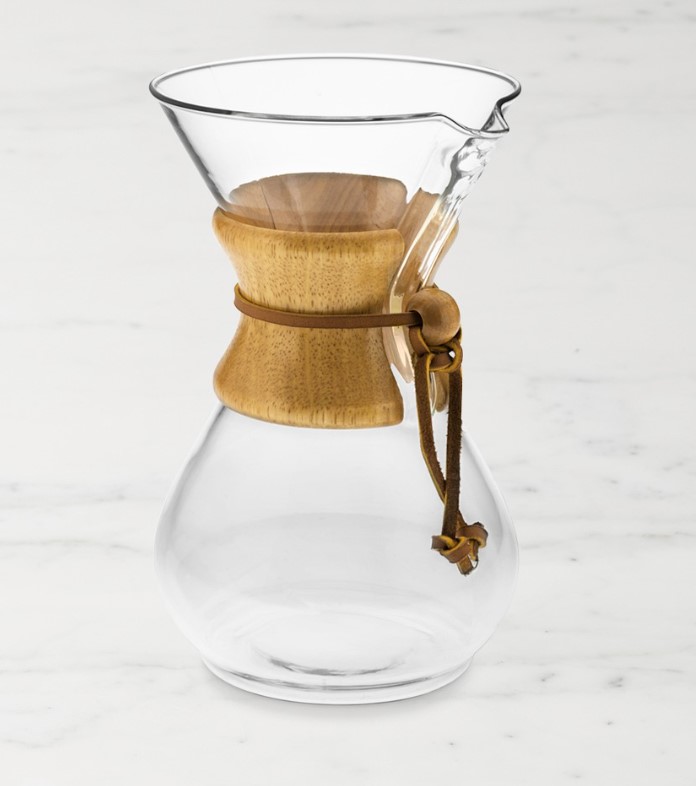
Type: Pour-over
Materials: Borosilicate glass and wood
Why I Love It: The Chemex is an icon. With zero plastic and a sleek design, it makes a clean, crisp cup of coffee. Just don’t forget the special filters.
Bonus: Feels like a mini ritual every morning.
2. Hario V60 (Glass or Ceramic)
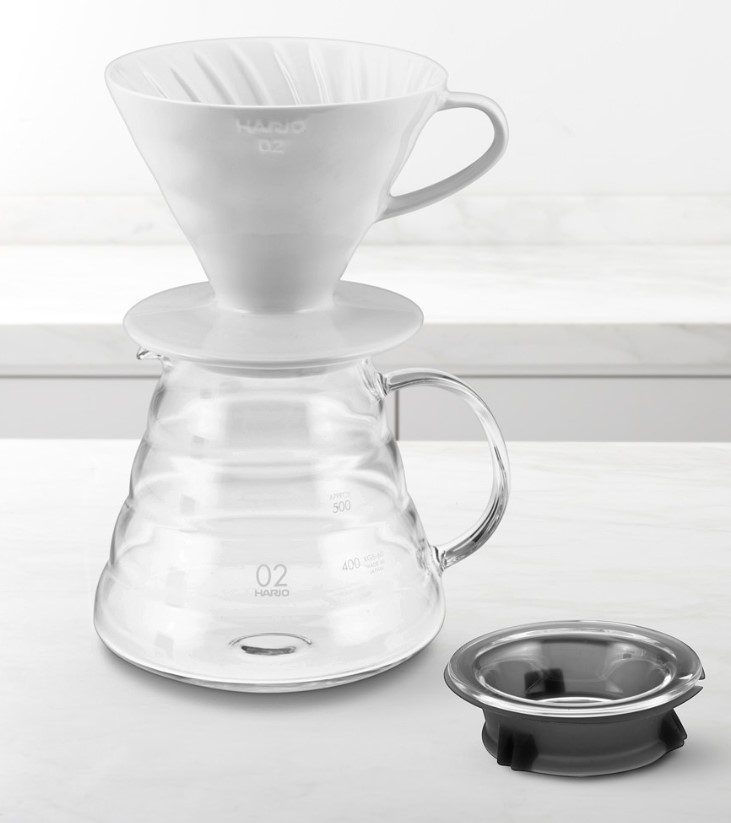
Type: Pour-over
Materials: Glass, ceramic, or metal (avoid the plastic version)
Why I Love It: Simple, beautiful, and totally customizable. A great step into manual brewing without the toxins.
3. Frieling Stainless Steel French Press
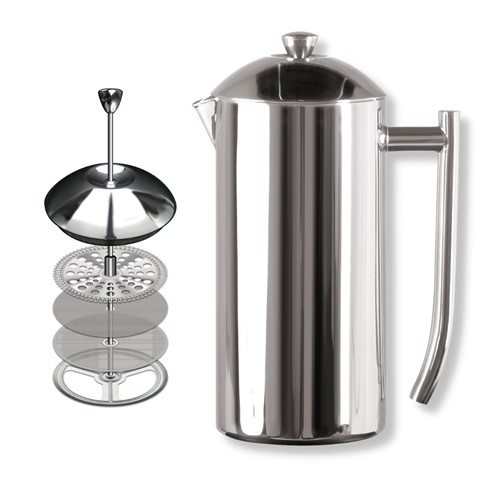
Type: French Press
Materials: All stainless steel, inside and out
Why I Love It: This one’s heavy-duty and dishwasher safe. It won’t break like glass versions and keeps coffee warm for longer.
Bonus: Zero plastic anywhere.
4. Bodum Chambord French Press (Glass & Steel Version)
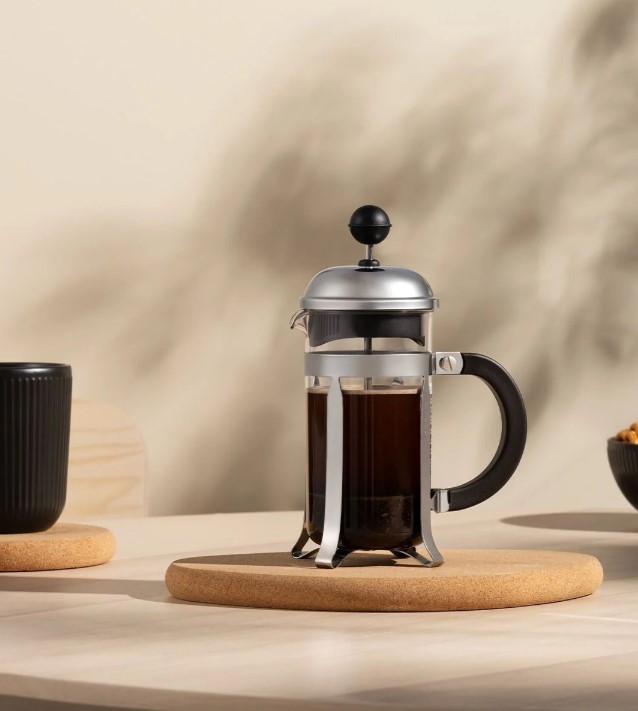
Type: French Press
Materials: Borosilicate glass and stainless steel
Why I Love It: Classic, affordable, and still safe. Just make sure you buy the version with the stainless steel plunger, not plastic.
5. Grosche Milano All-Stainless Moka Pot
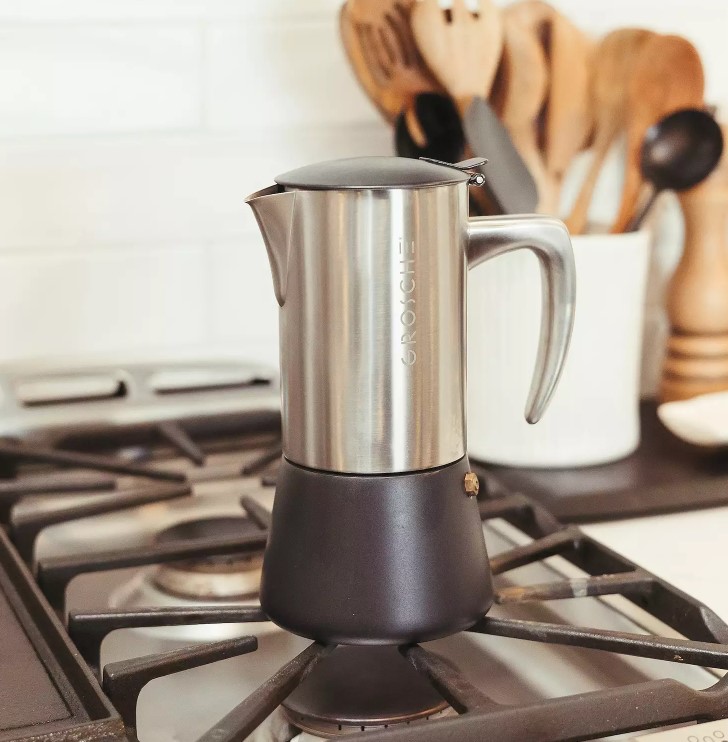
Type: Stovetop Espresso Maker (Moka Pot)
Materials: 100% stainless steel (inside and out, including filter and funnel)
Why I Love It: A sleek and safe upgrade from traditional aluminum moka pots. It’s plastic-free where it counts, no parts touch your water or coffee, and it works on both gas and induction stovetops. Durable, travel-friendly, and perfect for those who love bold espresso-style brews without toxins.
A Final Sip of Advice
I used to think the type of coffee maker didn’t matter—until I realized how much hot water + plastic + daily use could impact what I’m putting into my body. Especially as a mom, where I’m already juggling everything, I want my coffee moment to be nourishing too.
Switching to a non-toxic coffee maker isn’t just about being fancy. It’s about protecting your health, minimizing hidden exposures, and enjoying a better cup of coffee: worry-free.
So, whether you go the route of a beautiful Chemex or stick with a drip machine that ditches the chemicals, your morning brew deserves better.